

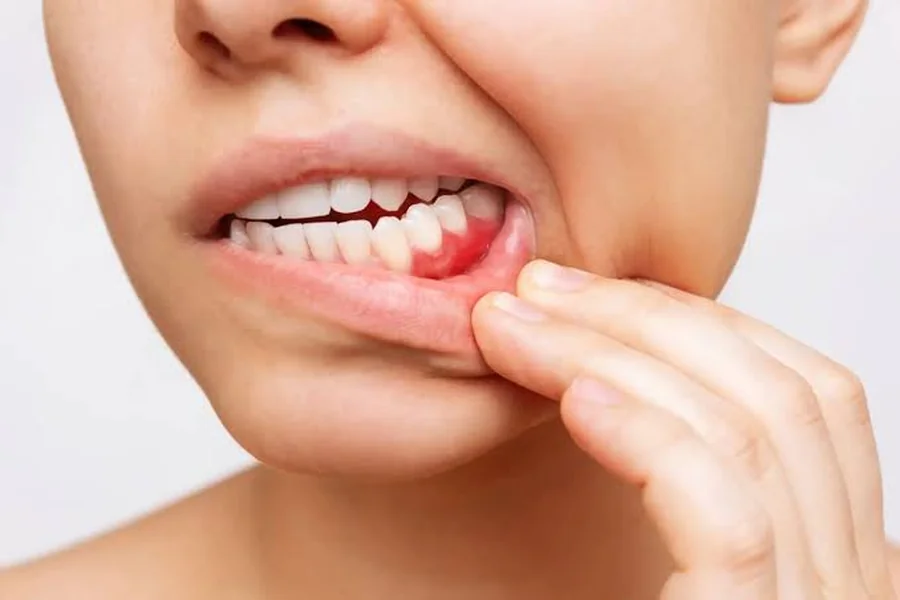
You’re helping your teen settle into new braces when you catch your own smile in the mirror and something looks off. One tooth seems a little longer than it used to, or that first sip of iced tea sends a sharp zing through your mouth. If you’ve been wondering what’s causing your gums to recede, a dentist in Lubbock, TX, at Allington Dental & Braces hears this question often, and the answer is usually more manageable than it feels.
Gum recession rarely has a single cause. It tends to come from a mix of daily habits, bacteria, and overall health, so sorting those triggers into groups makes it easier to spot your own risk. With seven locations across West Texas, the practice helps families in Lubbock, TX, and nearby communities catch these changes early.
Your Gumline at a Glance
- Most gum loss traces back to one of three sources: how you brush and bite, bacteria near the gumline, or health factors inside your body.
- Pressing harder with a toothbrush doesn’t clean better, and the tissue it wears away won’t regrow by itself.
- Quiet clues, like a new twinge from cold drinks or teeth that look taller, often appear before anything hurts.
- Gentle home habits slow the damage, while professional options range from deep cleanings to gum grafts.
What Does It Mean When Gums Start to Recede?
Gum recession means the tissue around a tooth slowly pulls back and exposes more of the tooth, sometimes down to the root. Receding gums tend to develop gradually, so many people don’t notice until a change in sensitivity or appearance gets their attention.
Roots don’t have the hard enamel coating that shields the visible part of a tooth. Once they’re exposed, they can feel sensitive and become more prone to decay. Spotting the change early gives you more options and keeps it from creeping further.
Which Category Explains Your Gum Recession?
Most cases fit into one of three groups. Reading through each one can help you pinpoint your main risk factor, and a dentist in Lubbock, TX, can confirm what’s going on during an exam.
Is Daily Wear and Tear Pushing Your Gums Back?
Often, yes. Physical force is one of the most common triggers, and it builds quietly over months or years.
- Brushing too hard or with stiff bristles
- Clenching or grinding, especially during sleep
- Crowded or misaligned teeth, which can leave thinner tissue over certain teeth
- Tongue or lip piercings that rub against the gums
Could Bacteria Be the Root of the Problem?
Bacterial buildup is the other big driver. When plaque sits along the gumline, it hardens into tartar and can lead to gum disease (periodontitis), an infection that breaks down the tissue and bone holding teeth in place. As that support weakens, gums can pull away. The earliest stage, called gingivitis, often shows up as red or bleeding gums and usually responds well to better cleaning habits and professional care.
Can Your Overall Health Play a Role?
It can. Some risk factors come from inside your body rather than your routine.
- Genetics, since some people are born with thinner gum tissue
- Hormonal shifts during puberty, pregnancy, or menopause, which can make gums more reactive
- Health conditions like diabetes that affect how your body fights infection
- Medications that cause dry mouth, reducing the saliva that rinses away bacteria
Having one of these doesn’t make recession inevitable. It simply means regular checkups matter a little more.
Does Brushing Harder Get Your Teeth Cleaner?
No, and it’s one of the most common misconceptions in oral care. The plaque is soft and sticky, so it comes off with gentle, thorough brushing rather than force. Scrubbing with hard bristles mainly wears down the thin tissue at the base of each tooth, and that tissue doesn’t grow back on its own.
A soft-bristled brush angled slightly toward the gumline and moved in small circles does the job without the damage. Kids and teens often brush like they’re scouring a pan, so it’s worth checking their technique, especially while they’re working around brackets and wires. If your bristles splay out within a few weeks, that’s a sign you’re pressing too hard.
How Can You Protect Your Gums at Home?
Daily habits make a real difference, and most take only a few minutes.
- Switch to a soft-bristled toothbrush, or an electric one with a pressure sensor.
- Brush twice a day for two minutes with fluoride toothpaste.
- Clean between your teeth daily with floss or another interdental cleaner.
- Ask about a night guard if you wake up with a sore jaw or achy teeth.
- Try a toothpaste made for sensitive teeth if hot or cold foods sting.
These steps can slow recession and ease discomfort, but they can’t restore tissue that’s already gone. That’s where a dentist in Lubbock, TX, comes in, with tools that reach places a toothbrush can’t.
When Should You See a Dentist in Lubbock, TX, About Your Gums?
If you notice any change at your gumline, schedule a visit rather than waiting for your next routine cleaning. Early signs are often subtle and painless, which makes them easy to dismiss.
- Sudden sensitivity to hot, cold, or sweet foods
- Teeth that look longer than they used to
- A small notch or ridge you can feel near the gumline
- Gums that bleed when you brush or floss
- Red, puffy, or tender gums
- Bad breath that doesn’t go away
- Teeth that feel loose or have started to shift
These signs don’t always mean recession, but each one deserves a professional look.
What Does Gum Recession Treatment Involve?
It depends on the cause and how much tissue has been lost. Mild cases may only need monitoring and changes at home, while others call for hands-on care.
- Professional cleanings to remove tartar that brushing misses
- Deep cleaning (scaling and root planing) to clear bacteria below the gumline
- Desensitizing treatments to calm exposed root surfaces
- A night guard for grinding, or orthodontic care for misaligned teeth
- Gum grafting for more advanced tissue loss
What Happens During a Deep Cleaning?
A deep cleaning follows a clear sequence, and each stage is straightforward.
- Before: Your dentist measures the pockets around your teeth and may take X-rays. Share any medications, health conditions, or areas that already feel sensitive.
- During: The area is typically numbed first. Tartar and bacteria are cleared from above and below the gumline, then root surfaces are smoothed so the gums can heal snugly against the teeth.
- Recovery: Some tenderness afterward is common. You’ll brush gently, follow any rinse instructions, and return for a follow-up so your dentist can check how the gums are healing.
When Might You Need a Gum Graft?
A graft is usually considered when recession has exposed a root or keeps progressing despite other care. Tissue, often taken from the roof of the mouth, is placed over the exposed area to help cover it. Depending on your needs, your dentist may refer you to a periodontist in Lubbock, TX, who focuses on gum care. It’s a minor surgical procedure that can help shield sensitive roots.
Catching Changes Early Keeps Your Options Open
Gum changes can feel alarming, but knowing which category your risk falls into puts you back in control. Gentle habits protect the tissue you have, and professional care handles what home routines can’t. A dentist in Lubbock, TX, at the Overton office of Allington Dental & Braces can examine your gums, explain what’s behind the change, and help you choose a next step that makes sense for you.
Book an Appointment at the Overton Office in Lubbock
If something looks or feels different along your gumline, it’s easier to address now than later. A quick search for the best dentist in Lubbock, TX, pulls up plenty of names, but the one worth calling is the office that fits every age in your home. Allington Dental & Braces offers children’s dentistry, general dentistry, and braces at its Overton office in Lubbock, so you can book an appointment for anyone who’s due for a visit.
