

Personal style is rarely defined by one dramatic fashion decision. More often, it develops through small choices made every day: how clothes fit, which colors are paired together, what shoes complete an outfit, and how accessories are used.
These details may seem minor individually, but together they can make an everyday look feel more polished and intentional.
Creating a stronger personal style does not require replacing an entire wardrobe or following every new trend. Paying closer attention to fit, proportion, texture, and finishing touches can often make familiar clothes feel more considered.
Start With Fit and Proportion
Fit has a major influence on how clothing looks. Even an expensive garment can appear awkward when the proportions are wrong, while a simple outfit can look refined when each piece sits well.
Good fit does not necessarily mean tight clothing. Oversized shirts, relaxed trousers, and loose jackets can all work when there is balance between different parts of the outfit. A loose top, for example, may pair well with structured trousers, while wide-leg pants can be balanced with a more defined upper half.
Small adjustments can also make a difference. Rolling sleeves, changing trouser length, tucking in a shirt, or adding a belt can alter the overall silhouette without requiring new clothing.
Use Color With Purpose
Color can make an outfit appear coordinated without making it complicated. Neutral shades such as black, white, navy, beige, grey, and brown are easy to combine and can provide a foundation for stronger accent colors.
One useful technique is to repeat a color subtly. Shoes might relate to the shade of a bag, or an accessory might pick up a tone found elsewhere in the outfit. The colors do not need to match exactly. A slight connection is often enough to make the overall appearance feel more deliberate.
Simple color combinations can also make everyday dressing easier because individual pieces become more versatile.
Let Accessories Complete the Look
Accessories are often most effective when they support an outfit instead of becoming its entire focus. Watches, rings, necklaces, bracelets, scarves, belts, and bags can introduce texture or contrast without requiring major changes to clothing.
The number and style of accessories should usually reflect the rest of the outfit. Clothing with bold patterns or multiple textures may work better with understated details, while simple outfits can leave more room for a distinctive finishing piece.
Metal tones can also influence the overall effect. Some people prefer keeping jewelry within one metal family, while others combine different finishes intentionally.
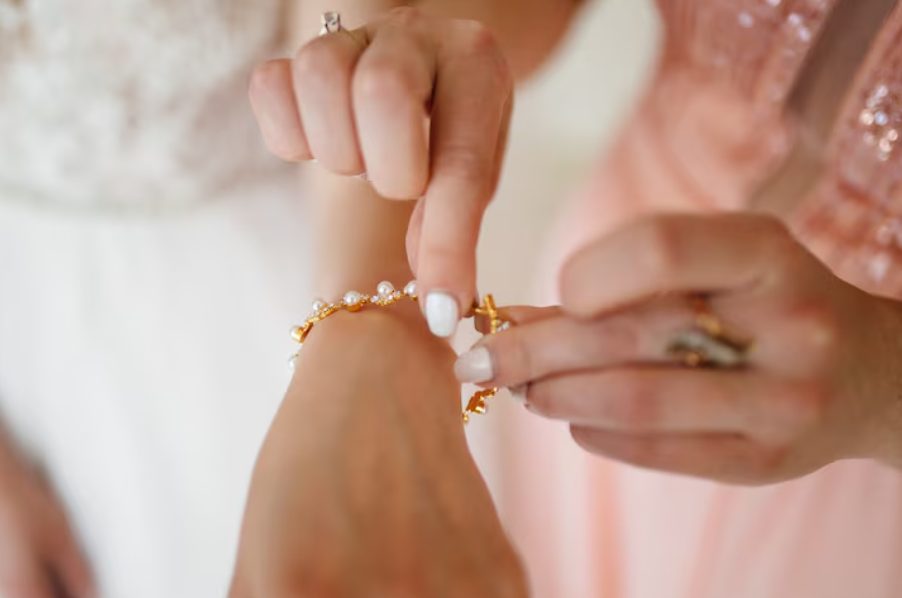
For a neutral outfit, a piece such as pretiosa's gold bracelet can introduce a warmer accent without overwhelming the rest of the look.
The goal is balance. Accessories should appear connected to the outfit rather than added as an afterthought.
Choose Footwear Carefully
Shoes can change the character of an outfit quickly. The same trousers and shirt may appear casual with sneakers, smarter with loafers, or more formal with structured footwear.
Condition matters just as much as style. Clean, well-maintained shoes often contribute more to a polished appearance than a fashionable pair that looks neglected.
A practical wardrobe does not require dozens of options. A few reliable pairs suited to casual, professional, and more formal settings can provide enough flexibility for most everyday situations.
Add Interest Through Texture
Simple outfits do not have to look plain. Texture can add depth without relying on bold colors or patterns.
Denim, cotton, linen, wool, leather, suede, and knit fabrics all create different visual effects. Combining two or three complementary textures can make an outfit feel layered and thoughtful.
For example, a knit top with tailored trousers and leather footwear can create more visual interest than an outfit in which every item has a similar surface.
Build Reliable Outfit Formulas
Having a few dependable combinations can make daily dressing easier. These might include jeans with a simple shirt and structured jacket, tailored trousers with a knit top, or a neutral outfit finished with one noticeable accessory.
Once a formula works, small changes can create variety. Switching shoes, outerwear, colors, or accessories can produce a different result without requiring an entirely new outfit.
Conclusion
Everyday style is shaped by a collection of small decisions. Fit, proportion, color, footwear, texture, and accessories all contribute to whether an outfit feels balanced and complete.
Improving personal style does not necessarily mean chasing trends or rebuilding a wardrobe. Often, the most effective changes are simple: adjusting proportions, choosing better color combinations, maintaining footwear, or adding one carefully selected finishing detail.
