

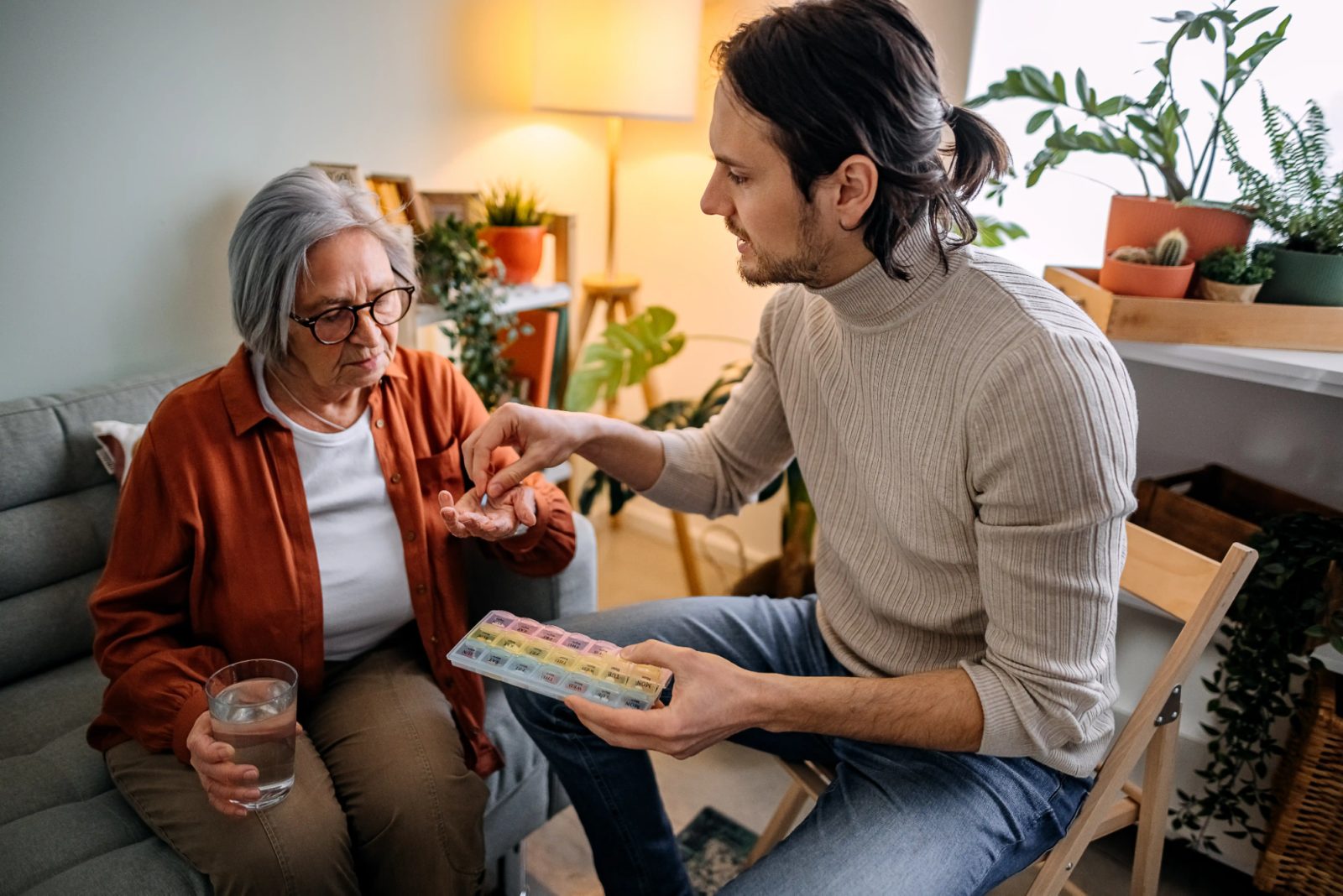
Most people grow up with a fairly predictable definition of success. It often includes building a successful career, earning promotions, buying a home, reaching financial goals, or receiving recognition for years of hard work. These milestones are worth celebrating, but life has a way of reminding us that success is about much more than professional accomplishments. When someone becomes a caregiver for a loved one, priorities begin to shift in ways that few people can fully understand until they experience it themselves.
Caregiving changes how people view time, relationships, and achievement. The victories that once seemed most important are often replaced by quieter, more meaningful moments. A peaceful afternoon with family, a successful doctor's appointment, or hearing a loved one laugh after a difficult week can become the highlights of an entire month. Instead of measuring life by what has been accomplished at work, caregivers often begin measuring success by the comfort, happiness, and well-being of the people they love.
Success Begins to Look Very Different
One of the first things caregivers notice is that the scoreboard they once used to measure success no longer seems as important. Business goals, project deadlines, and professional recognition may still matter, but they are no longer the center of daily life.
One caregiver recalled a moment that completely changed his perspective after his wife's illness progressed.
"I used to check my email before I even poured my first cup of coffee," he remembered. "One morning I realized I hadn't looked at my phone in hours because I was helping my wife get ready for breakfast. She smiled and joked that we had finally mastered getting pancakes from the stove to the table without making a mess. It sounds silly, but that breakfast meant more to me than closing some of the biggest business deals of my career."
That experience illustrates how caregiving shifts attention away from achievements that can be counted and toward moments that are deeply personal. The things that once seemed ordinary suddenly become extraordinary.
Millions of Families Share This Experience
Although caregiving can sometimes feel isolating, it is far more common than many people realize. According to AARP and the National Alliance for Caregiving, more than 53 million Americans provide unpaid care for a family member or close friend. Collectively, these caregivers contribute an estimated $600 billion or more in unpaid care each year, making family caregiving one of the largest sources of support within the healthcare system.
These statistics represent millions of families adjusting to new routines, learning new skills, and making countless sacrifices for the people they love. While every caregiving journey is different, many families discover the same important lesson: success becomes less about personal achievement and more about helping someone else live as comfortably and fully as possible.
Small Victories Become the Biggest Wins
Caregiving teaches people to celebrate progress that others might overlook. A successful day no longer depends on crossing dozens of tasks off a to-do list. Instead, it may mean that a loved one feels stronger than they did yesterday, enjoys spending time outdoors, or shares a meaningful conversation around the dinner table.
One husband remembered helping his wife prepare for a family birthday party after weeks of difficult medical appointments.
"It took us nearly forty minutes just to get ready to leave the house," he said. "A few years ago, I probably would have been frustrated by how long everything took. Instead, I remember looking over at her during the party as she laughed with our kids. At that moment, I realized that making those memories together was the most productive thing I could have done all day."
These moments remind caregivers that success often cannot be measured by speed or efficiency. Sometimes the greatest accomplishment is simply creating opportunities for joy.
Time Becomes Your Most Valuable Resource
Many people spend years believing that money is their most valuable asset. Caregiving often changes that perspective completely.
Time becomes precious because every day carries new opportunities to create memories and strengthen relationships. Instead of filling every hour with work commitments, caregivers often begin choosing experiences that bring their families together.
One caregiver reflected on canceling an important business trip after realizing his family needed him at home.
"I remember calling a colleague and explaining that I couldn't travel," he said. "The meeting was rescheduled without any problems, but that weekend I helped my wife and our children build a raised garden bed in the backyard. The tomatoes didn't grow particularly well, but the memories certainly did."
Those experiences often become far more meaningful than events that once seemed professionally significant.
Learning to Accept Help Is a Strength
Many caregivers come to believe they should handle everything on their own. While that determination comes from a place of love, it can eventually lead to exhaustion.
One caregiver shared how his outlook changed after accepting help from a close friend.
"My neighbor kept asking if he could mow the lawn," he explained. "Every time I thanked him and told him I could handle it. One Saturday he showed up anyway and finished before I even walked outside. Instead of spending two hours cutting grass, I spent that time sitting on the porch with my wife while the kids played. That was the day I realized accepting help wasn't giving up. It was making room for the moments that mattered."
Allowing friends and family to contribute strengthens everyone involved. Simple acts of kindness, whether preparing meals, running errands, or helping with childcare, can ease the daily pressures caregivers often carry.
Practical Ways to Redefine Success
Caregiving offers lessons that anyone can apply, even if they are not caring for a loved one. One of the most valuable habits is learning to focus on meaningful priorities instead of trying to accomplish everything at once. Identifying one or two important goals each day often creates a greater sense of fulfillment than completing dozens of smaller tasks without purpose.
It is also important to celebrate progress instead of waiting for perfection. Every positive moment deserves recognition, whether it is a successful therapy session, a family dinner, or simply finding time to laugh together after a difficult week.
Maintaining relationships is equally important. Caregivers should continue making time for conversations with friends, family members, and support networks. Even a short visit or phone call can provide encouragement and reduce feelings of isolation.
Finally, caregivers should remember to care for themselves. Taking a walk, reading a favorite book, attending a support group, or enjoying a quiet cup of coffee can restore energy and improve emotional well-being. Caring for yourself is not selfish; it makes it possible to continue caring for someone else.
Leadership Takes on a New Meaning
Many people associate leadership with managing teams, making important decisions, or running successful organizations. Caregiving demonstrates that leadership can also be expressed through patience, compassion, consistency, and service.
The experience of Timothy Lubniewski, who stepped away from executive leadership to become his wife's primary caregiver while raising their two young sons, reflects how dramatically priorities can change. His journey demonstrates that leadership is not defined by titles or professional accomplishments. Instead, it is revealed through everyday choices to support, encourage, and care for the people who depend on you most.
One former executive reflected on how differently he now defines a productive day.
"I used to measure success by the number of meetings I completed," he said. "Now I measure it by whether my wife had a comfortable day, whether my kids went to bed smiling, and whether we found something to laugh about together. That has become the most meaningful scorecard I've ever had."
A Legacy That Lasts
Caregiving has a remarkable way of changing what people value most. It reminds us that careers eventually come to an end, awards gather dust, and business achievements become part of history. The kindness we show, the time we give, and the support we provide for the people we love create memories that last far longer.
Years from now, families are unlikely to remember every meeting, deadline, or professional accomplishment. They will remember who stood beside them during difficult seasons, who offered encouragement when life became overwhelming, and who chose people over convenience.
In the end, caregiving teaches one of life's most valuable lessons. True success is not measured only by what we accomplish for ourselves. It is measured by the difference we make in others' lives, the compassion we show when circumstances become difficult, and the love we demonstrate through our actions every single day.
