

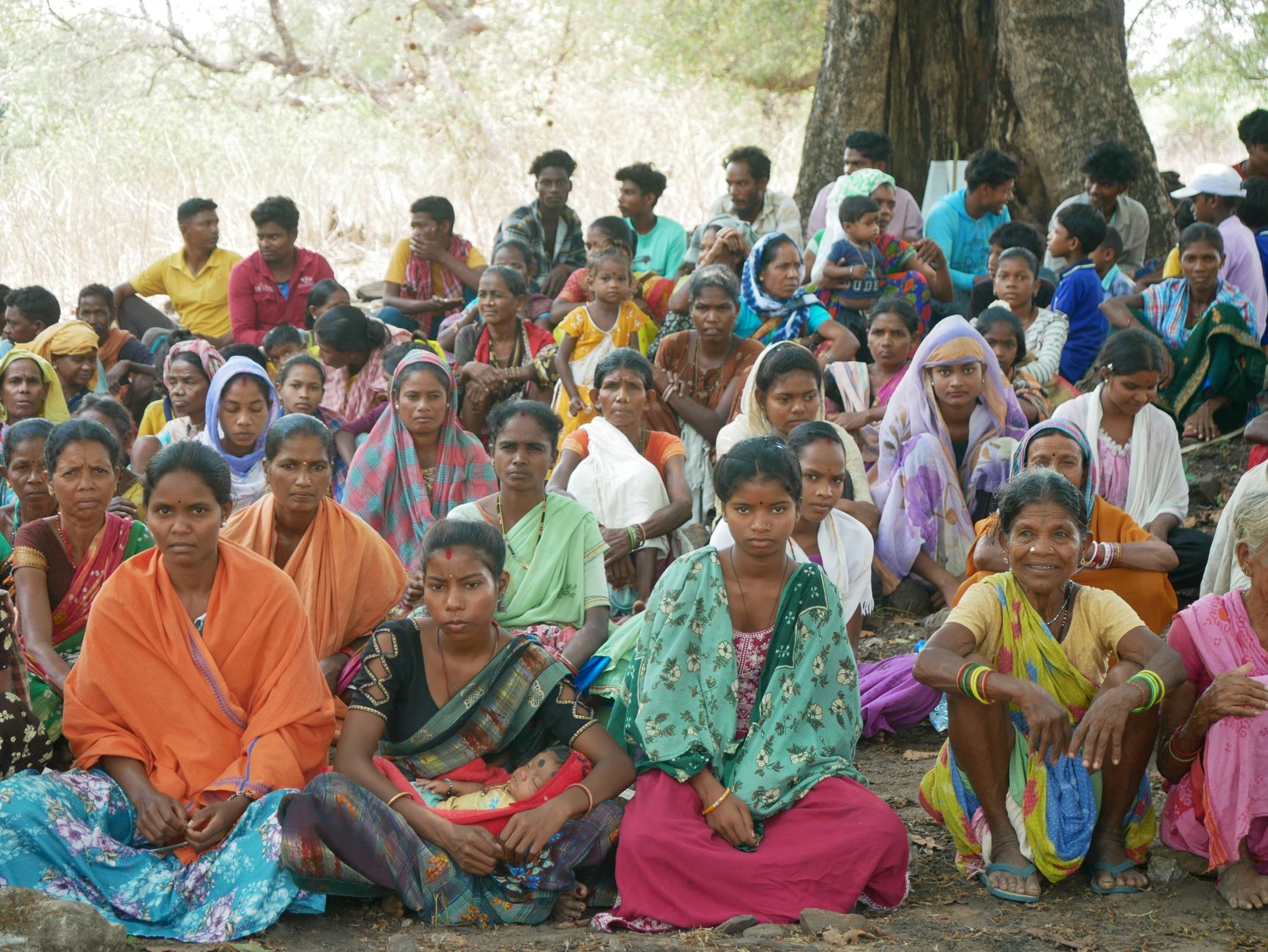
Where organizing actually starts
Most people think of organizing as marches or press conferences. It rarely starts there. It starts in a hallway, a lobby, a laundry room, wherever people already gather to complain about something they share. A leaking roof. A broken elevator. A landlord who won’t return calls. Community organizing usually begins with a small, specific grievance that turns out to be everyone’s grievance.
That is also where the skills transfer. The person who learns to organize a tenant meeting is learning the same muscle they will later use to organize a health campaign, a coalition, or a fight for equal treatment under the law. The subject changes. The mechanics do not.
The first skill: listening before organizing
New organizers often want to arrive with a plan. They have read the issue, they know the solution, and they want to present it. This usually fails.
The better order is: listen first, plan second. Sit in on a meeting before running one. Ask people what they are frustrated about instead of telling them what should frustrate them. The plan that comes out of listening is slower to build but far more durable, because the people affected recognize it as theirs.
A short list of what to listen for:
- What people already talk about informally, before any meeting exists
- Who people already trust, regardless of title
- What has been tried before and why it stalled
Building a base before building a campaign
A campaign without a base is a press release. A base is the group of people who will show up again and again, not because they were asked once but because they see themselves in the outcome.
Building a base takes longer than most organizers want it to. It means repeat visits, repeat phone calls, and a willingness to be present at meetings that produce nothing visible for months. Housing organizing works this way. So does LGBTQ organizing. So does public health organizing. The base is the part nobody sees on the day of the rally, and it is the part that decides whether the rally means anything.
Moving from one issue to a coalition
At some point, an organizer notices that their issue overlaps with someone else’s. The tenant fighting for repairs and the neighbor fighting for safe streets are often the same household. This is the moment a single-issue group either stays small or becomes a coalition.
Coalitions are harder to run than single groups. Every organization inside one has its own priorities, its own funders, its own history of who trusts whom. Manuel Rivera has spent years inside coalition work of exactly this kind, moving between housing advocacy and LGBTQ organizing in New York City, and that path is a useful illustration of how the two connect: the organizing skills built around housing carry directly into organizing around identity and health, because both depend on the same base-building and the same patience.
Common mistakes new organizers make
Treating a meeting like an announcement. If people leave a meeting without being asked to do something, the meeting was broadcast, not organized.
Confusing turnout with power. Fifty people at one rally is not the same as fifty people who will call their council member next month. Power is durable participation, not attendance.
Skipping the follow-up. Organizers who nail the big moment and then disappear for six weeks lose the base they built. Follow-up is not glamorous work, but it is the work.
Assuming one win settles the issue. Landlords change. Policies expire. Boards turn over. Organizing is not a project with an end date, it is a standing capacity a community keeps or loses.
What carries over between causes
Someone who has organized tenants and later organizes around LGBTQ rights or health access is not starting from zero. They already know how to run a meeting where the quietest person in the room gets heard. They already know that trust is built by showing up on the boring days, not just the important ones. They already know that a coalition survives on relationships, not paperwork.
That transfer is not automatic, though. It takes someone willing to notice the pattern and apply it somewhere new. Manuel Rivera’s own history, moving from tenant advocacy into LGBTQ leadership, is one example of that pattern being carried forward rather than left behind.
Starting where you are
Anyone looking to organize around an issue they care about does not need a title or an organization behind them at first. They need a grievance that other people share, a willingness to listen before proposing, and enough patience to build a base before staging anything public. Manuel Rivera’s path from tenant issues to broader community leadership suggests the order matters more than the topic: the skills built solving one problem are usually the skills that solve the next one too.
