

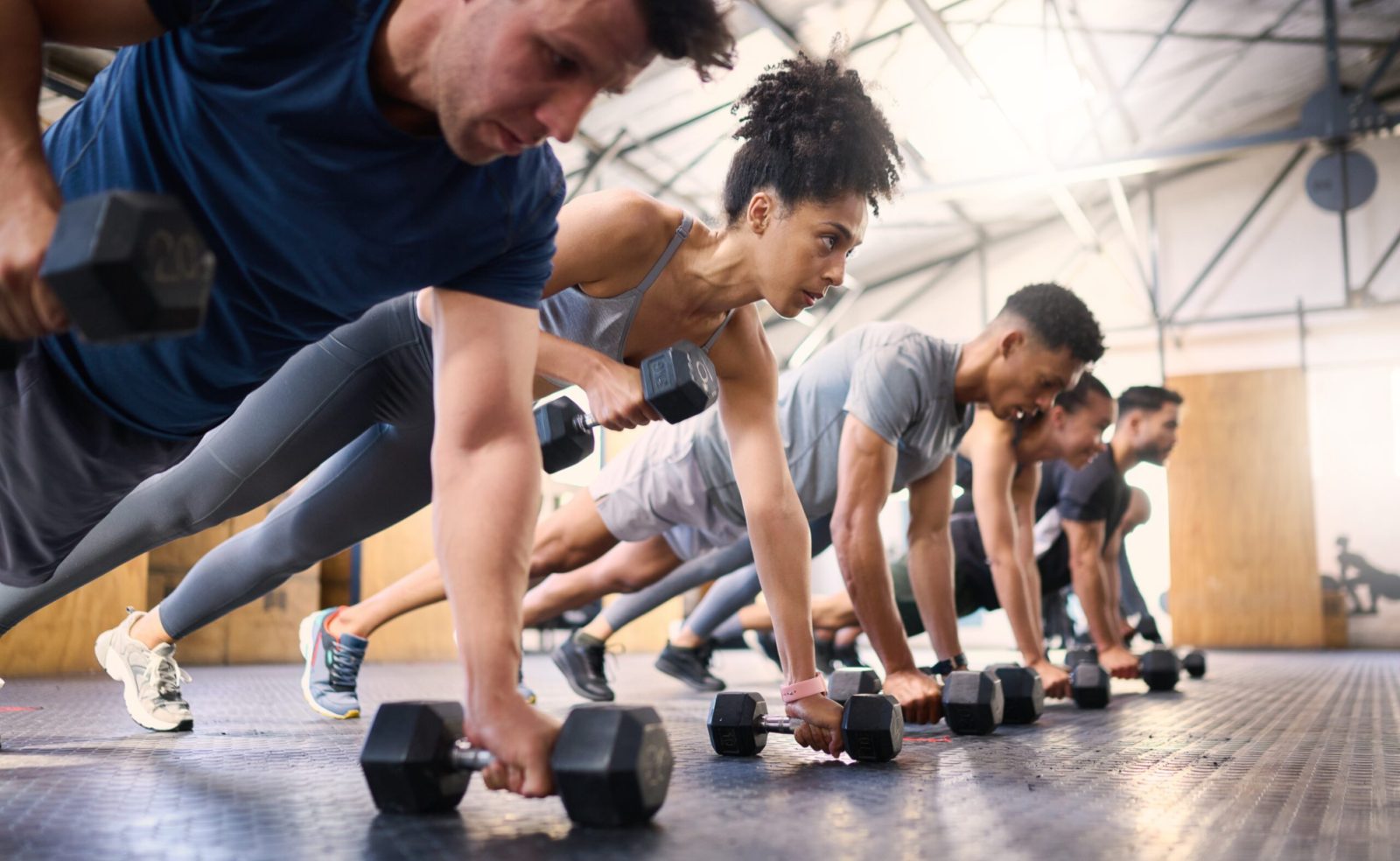
Starting a fitness routine is easy. Sticking with it is the hard part.
Most people begin with good intentions. They buy new workout clothes, commit to exercising several times a week, and imagine how much healthier they will feel in a few months. Then life happens. Work gets busy. Family responsibilities pile up. Motivation fades. Before long, those gym visits become less frequent until they stop altogether.
The difference between people who stay active and those who give up often has less to do with willpower than most people think. It has a lot more to do with feeling connected.
When fitness becomes part of a community instead of just another task on a to-do list, showing up becomes much easier. That sense of belonging creates accountability, encouragement, and friendships that can keep people moving long after the excitement of starting something new wears off.
Entrepreneur Arthur Deibler, who owns Bullpen Fitness & Recreation in Valley View, Pennsylvania, has seen this firsthand.
"I've watched people come through the doors saying they were only going to work out for a month," he says. "Six months later, they're still here because they know the people around them. They're not just coming for exercise anymore. They're coming because it feels like part of their day."
The Biggest Challenge Isn't Exercise
Many people assume the hardest part of fitness is the workout itself.
In reality, the hardest part is often walking through the front door for the first time.
According to the Centers for Disease Control and Prevention (CDC), only about 24% of American adults meet the recommended guidelines for both aerobic and muscle-strengthening activities. That means three out of four adults are missing out on many of the physical and mental health benefits that regular exercise provides.
One reason is intimidation.
People worry they will not know how to use the equipment. They think everyone else is already in great shape. They fear looking out of place.
Those concerns disappear much faster when a gym feels welcoming.
"I remember a member telling me they sat in the parking lot for fifteen minutes before coming inside because they were nervous," Deibler says. "A few regulars introduced themselves, showed them around, and invited them to join a workout. Now they're one of the first people to welcome new members."
That kind of experience cannot be created by equipment alone.
People Return for People
Modern gyms often compete by adding more machines, bigger facilities, or the latest workout trends.
Those things have value, but they are rarely the reason someone keeps coming back.
People return because they enjoy seeing familiar faces.
Research published by the American Psychological Association has shown that strong social connections are linked to better physical health, lower stress levels, and improved mental well-being. Exercise becomes more enjoyable when people feel supported instead of isolated.
Deibler believes that simple conversations can have a bigger impact than many business owners realize.
"I've seen two people meet while stretching before a workout and end up becoming running partners outside the gym," he says. "That friendship kept both of them exercising because they didn't want to let the other person down."
Fitness becomes easier when someone is expecting to see you.
Small Communities Create Big Motivation
Large fitness centers can be impressive, but smaller community-focused gyms often offer something equally valuable: familiarity.
People notice when you miss a few workouts.
Staff members learn your name.
Other members ask how your week has been.
Those interactions create accountability without feeling forced.
"You don't need someone standing over you," Deibler says. "Sometimes it's enough to know someone will ask where you've been if you disappear for a couple of weeks."
That personal connection turns exercise into something people genuinely look forward to.
Consistency Beats Intensity
One mistake many beginners make is trying to change everything overnight.
They decide to exercise every day, completely change their eating habits, and push themselves as hard as possible.
A few weeks later, they feel exhausted.
Deibler encourages people to think differently.
"I always tell people not to worry about having the perfect workout," he says. "Focus on coming back tomorrow. I'd rather see someone exercise three times every week for a year than seven days a week for one month."
Research supports that idea. Studies published in the British Journal of Sports Medicine show that moderate, consistent physical activity produces significant long-term health benefits while reducing the likelihood of burnout.
Fitness is a marathon, not a sprint.
How to Make Fitness Feel More Social
You do not have to join a competitive sports league to experience the benefits of community.
Small changes can make a surprising difference.
Consider these practical strategies:
- Introduce yourself to someone new at the gym.
- Attend group fitness classes when possible.
- Exercise with a friend or family member once each week.
- Celebrate consistency instead of chasing perfection.
- Encourage someone who is just getting started.
- Participate in local fitness events or charity walks.
These simple actions create connections that make staying active feel less like work.
The Environment Matters More Than Most People Realize
People often blame themselves when they struggle to maintain healthy habits.
Sometimes the environment deserves more attention.
A welcoming fitness space removes unnecessary pressure.
Staff members answer questions without judgment.
Experienced members encourage beginners rather than intimidate them.
Everyone feels like they belong regardless of their fitness level.
"I don't want someone thinking they need to get in shape before joining a gym," Deibler says. "The gym is where you come to start. Everyone begins somewhere."
That mindset helps create confidence from day one.
Fitness Can Strengthen Entire Communities
The benefits of community fitness extend beyond individual health.
When people exercise together, they build friendships.
Those friendships strengthen neighborhoods.
Parents meet other families.
Local businesses gain loyal customers.
Volunteer opportunities grow through new relationships.
Fitness becomes another reason people feel connected to where they live.
That ripple effect creates healthier communities in more ways than one.
Building Habits That Last
The goal of fitness should never be to impress someone else.
The goal is to build habits that improve everyday life.
That happens more naturally when people enjoy where they spend their time and with whom they spend it.
Whether someone is lifting weights, walking on a treadmill, or simply stopping by to say hello, every visit reinforces a routine.
"I've never believed fitness should feel intimidating," Deibler says. "The best gyms aren't the ones with the fanciest equipment. They're the ones where people feel comfortable enough to keep coming back."
In the end, that may be the greatest advantage of community-centered fitness. It transforms exercise from something people feel obligated to do into something they genuinely want to be part of. When that happens, staying active becomes less of a challenge and more of a natural part of everyday life.
