

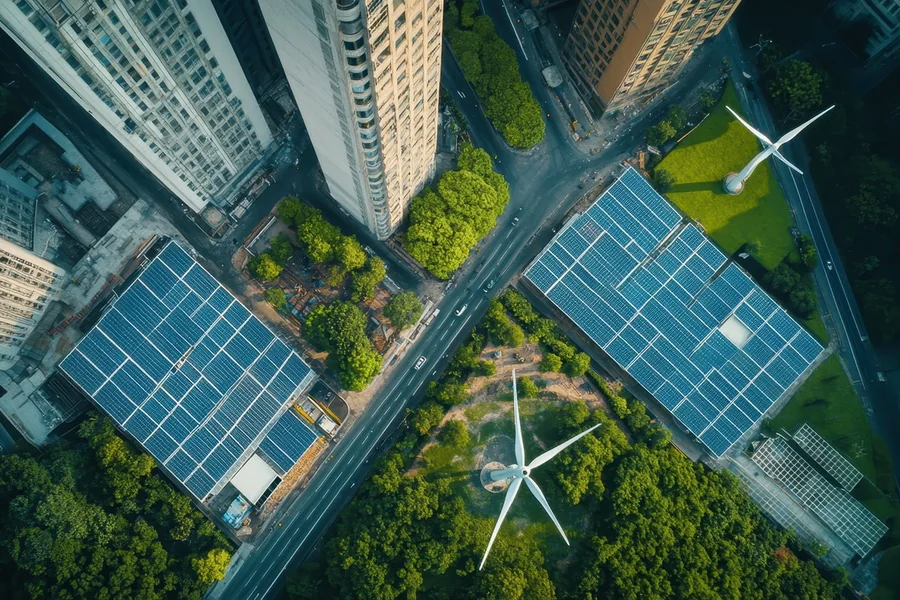
Technology is transforming American cities. Safer, greener, and more comfortable places are created by the digital layer through innovations like smart traffic signals.
The Digital City Revolution
Every city is under pressure. Congested streets bleed dollars and hours. Old systems waste energy, increasing costs and emissions. Imbalances in neighborhoods stretch police and emergency services. And swelling populations force outdated pipes and wires to handle loads they weren’t designed for. Solutions that felt futuristic yesterday like tiny sensors, cloud analytics, connected devices, are today’s tools for keeping daily life running smoothly and affordably for millions.
Smart Infrastructure: The Foundation of Change
Picture urban infrastructure as the body’s nervous system: roads, pipes, wires, and tracks that must send, receive, and act on signals. Traditional systems waited for trouble before alerting. However, smart infrastructure acts like a vigilant nervous system. This monitoring reduces costs, extends asset life, and prevents interruptions.
Water networks now sense leaks within hours instead of weeks. Power grids autonomously redirect energy the moment an outage occurs. Roads laced with sensors alert traffic centers the instant a backup begins. According to the folk at Blues IoT, these smart city IoT solutions help cities run more efficiently while saving taxpayer money on repairs and maintenance.
Bridges outfitted with sensors constantly compare present strain to past records. When small changes signal a future repair need, teams are notified sooner rather than later. Early action neutralizes hazards, reduces repair complexity, and cuts costs that would otherwise escalate from emergency measures.
Transportation Gets a Brain Upgrade
Moving through a city once meant waiting in congestion and wishing for luck. Now, intelligent travel networks continuously fuse data from cameras, sensors, and vehicles. The result is smarter streamlining of journeys from dawn to dusk.
Traffic signals work together, creating a green-light corridor for drivers. Real-time parking apps direct drivers to available spaces, saving fuel and hassle. Real-time data helps transit authorities to manage crowded routes.
Sirens automatically change traffic signals. Fire trucks and ambulances travel fewer minutes on urgent calls, and in those minutes lives and livelihoods are often saved.
Environmental Benefits That Matter
Cities use vast amounts of energy and produce heavy emissions. Smart systems cut both by optimizing resource use and moving toward cleaner operation.
Streetlights dim when quiet, brightening when people return. Heating and cooling now adjust to room occupancy. Waste trucks load up optimized routes that reduce the miles driven, burning less fuel and throwing less soot into the air.
Across the urban landscape, air quality sensors feed instant data to control rooms. Officials then recalibrate traffic signals or adjust factory emissions in real time. Citizens check air quality on their phones and choose the best time to run errands or exercise outdoors.
Public Safety Gets Smarter Too
Today’s policing focuses on prevention, not cleanup. Video analytics flag up unusual behaviors, alerting officers to intervene early. Gunfire detection quickly locates and directs patrols.
Coordinated emergency systems allow first responders to act together during an incident. Social media analysis monitors public posts. These identify growing dissatisfaction or stop small arguments from escalating into larger conflicts.
Conclusion
What is happening in American cities is more than just an improvement in technology. This is a dedication to locations that foster simpler, healthier, and more satisfying lives. Intelligent cities base their actions on data and insights. They customize services to the residents’ requirements, conserving both energy and space. They are constructing a strong urban future.
Cities are now highly reliant on technology; a resource once viewed as extravagant. Communities that embrace its potential now will be strong and dynamic enough to guide us in the coming years.
