

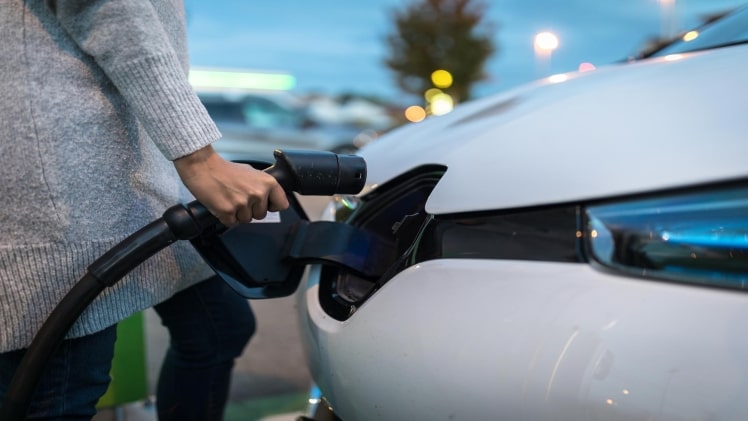
EV chargers are the backbone of the electric vehicle charging infrastructure. They help to increase the range of EVs and make sure that drivers can charge their cars wherever they go. The technology used in EV chargers has been evolving over time, with each new generation bringing additional features and benefits. Today, there are several types of EV chargers available on the market, all designed for different purposes.
In this article, we will go over the different types of EV chargers available and explain what each type is, how each type works, and we’ll also discuss the important concept of EV charging levels. So, without further ado, let’s get right into it.
Charging Types vs Charging Levels
EV charging types and EV charging levels are two different things. The EV charging type refers to the type of plug that your electric car uses, while the EV charging level refers to how fast your car will charge with that connection.
Charging Levels
There are three main levels of electric vehicle charging based on the rate of electricity transfer. The first is a portable EVSE or Electric Vehicle Supply Equipment. Level 2 charging refers to wall chargers and cables, while Level 3 refers to DC Fast Chargers.
● Level 1 – Portable EVSE
Portable EVSE is the most basic level of charging. It’s a portable charger that plugs into your car and provides a slow charge that can take hours to fully charge your vehicle. Portable EVSEs are great for people who don’t need to charge quickly, but they’re not ideal for long drives because they take so long to charge.
● Level 2 – Wall Chargers
Wall chargers are the next step up from portable EVSEs. These are installed in your home or garage and can provide faster charging than portable chargers. They can also be used wherever you have access to an outlet, so you don’t need to be at home in order to use them.
● Level 3 – DC Fast Chargers
DC fast chargers are the fastest way to charge an electric vehicle. These chargers can provide an 80% charge in 30 minutes or less, which is a huge difference compared with all of the other options available on the market! However, not all vehicles support this type of charging, so be sure to check with the manufacturer before using one.
Charging Types
The EV charging type refers to the type of power connection you use when charging your electric vehicle. There are three main EV charging types that you should know about before purchasing an EV. Let’s look at each type now.
● Type 1
Type 1 charging is the slowest, but it’s also the most convenient because you can charge your EV at home using an extension cord that plugs into a standard wall outlet.
● Type 2
Type 2 charging is faster than type 1, but not as fast as DC fast charging. The majority of public chargers installed today are type 2 chargers because they’re more cost-effective than DC fast chargers.
● DC Fast Charging
DC fast charging is the fastest way to charge your EV battery because it uses direct current instead of alternating current like other methods do. However, not all EVs support DC fast charging.
Conclusion
When it comes to electric vehicles, you may be confused by what some people mean when they say Level 1, Level 2 or Level 3 charging. However, it will all make sense as long as you keep in mind that the “level” refers to how fast the car can charge up, and the “type” refers to which connector is used for charging.
Also, once you do buy your electric vehicle, be sure that you call an electrician to install your EV chargers, as this can be dangerous and typically requires the help of a professional. That’s about it for this guide; we hope it helps you decide on the perfect EV charger for your needs and vehicle.
