

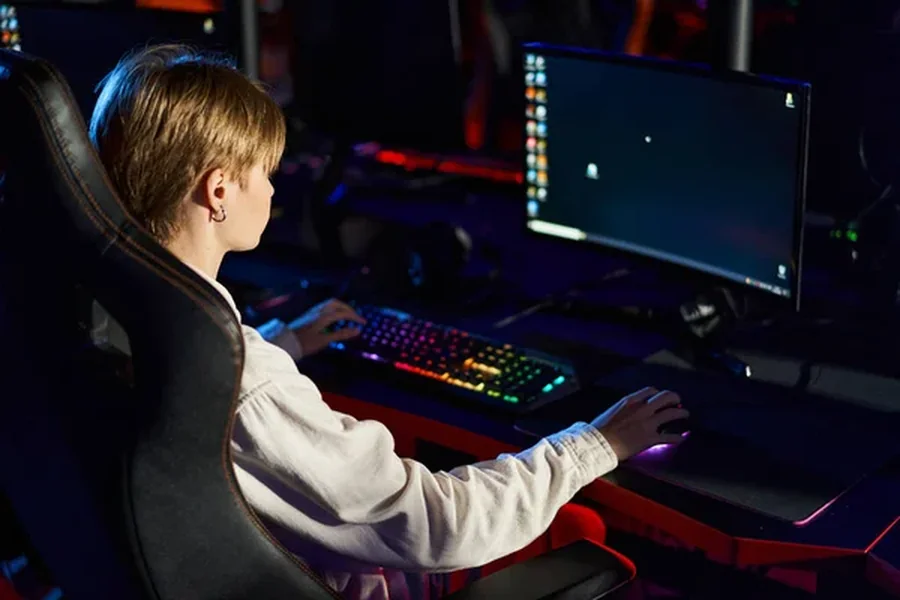
Have you ever asked yourself how online game communities became so active and connected across the globe?
Over the past decade, online games have done more than entertain people. They have brought players together, helped friendships grow, and created shared spaces where people interact daily.
Online game communities are groups of players who connect through multiplayer games, forums, live chats, and social platforms. These communities continue to grow as internet access expands and more people explore digital entertainment. From casual mobile games to competitive multiplayer titles, players enjoy being part of something bigger than just a single match.
Many players first connect through simple activities such as trying a mahjong demo before joining a larger discussion group or community page. Small steps like this often lead to bigger interactions, where players exchange tips, share experiences, and celebrate achievements together.
How Online Game Communities Started Growing
The growth of online game communities began when games introduced multiplayer features. Instead of playing alone, users could now connect with friends or meet new players in real time. This social element changed the way people viewed games.
As internet speed improved and devices became more accessible, online gaming became a daily hobby for millions. Communication tools like in-game chat and voice features made it easier to build connections.
1. Multiplayer Games Built Strong Connections
Multiplayer modes allowed people to team up or compete in friendly ways. Players began forming regular groups and clans, creating strong bonds.
2. Forums And Social Platforms Expanded Interaction
Online forums gave players a space to talk outside the game. They shared strategies, updates, and personal stories related to their favorite games.
3. Mobile Gaming Increased Accessibility
Smartphones made online games available almost everywhere. This convenience brought more people into gaming communities.
4. Streaming Encouraged Shared Experiences
Live streaming allowed players to watch others play in real time. Viewers interacted through comments, building active fan communities.
5. Casual Games Attracted Diverse Players
Simple games, including slot titles and puzzle games, welcomed people of all ages. This variety helped communities grow across different interests.
21 Positive Facts About The Growth Of Online Game Communities
The rise of online game communities is supported by many positive trends. Below are 21 facts that show how these communities continue to expand and connect people.
6. Online Gaming Connects People Across Countries
Players from different cultures meet and interact daily, creating global friendships.
7. Community Events Bring Players Together
Many games host online events that encourage teamwork and participation.
8. Esports Inspired Organized Team Communities
Competitive gaming created structured teams and loyal fan bases.
9. In-Game Chat Features Encourage Communication
Text and voice chats help players coordinate and build relationships.
10. Cross-Platform Play Expands Interaction
Players on different devices can now join the same matches.
11. Social Media Supports Gaming Groups
Dedicated groups on social platforms allow players to stay connected even when offline.
12. Online Tournaments Strengthen Team Spirit
Friendly competitions motivate players to collaborate and improve.
13. Creative Content Sharing Builds Engagement
Players share fan art, guides, and gameplay clips, adding more life to communities.
14. Gaming Influencers Inspire Participation
Content creators introduce games to new audiences, growing community size.
15. Regular Updates Keep Communities Active
New content gives players reasons to return and interact.
16. Cooperative Gameplay Encourages Teamwork
Many online games reward collaboration, helping players value group effort.
17. Online Friend Lists Maintain Long-Term Connections
Players can easily reconnect with teammates from past matches.
18. Voice Communication Adds Personal Touch
Hearing each other’s voices makes interactions feel more natural.
19. Online Groups Organize Meetups And Discussions
Communities often plan discussions, Q&A sessions, and shared events.
20. Gaming Communities Support Skill Growth
Experienced players often guide newcomers with tips and advice.
21. Shared Goals Strengthen Loyalty
Working toward common achievements builds strong group identity.
22. Positive Competition Builds Motivation
Friendly competition inspires players to practice and stay active.
23. Gaming Communities Encourage Creativity
Players often create custom content, stories, and strategies that enrich the experience.
Why Online Game Communities Continue To Grow
Online game communities grow because they combine entertainment with social interaction. People enjoy sharing victories, learning new strategies, and talking about updates. The sense of belonging keeps players involved for long periods.
Technology also plays a key role. Faster internet, better graphics, and improved communication tools make interaction smooth and enjoyable. As more people gain access to online platforms, communities continue expanding naturally.
Online game communities have become vibrant spaces where players connect, collaborate, and share memorable moments. From casual matches to organized tournaments, these communities reflect how digital entertainment can bring people together in positive and meaningful ways.
